





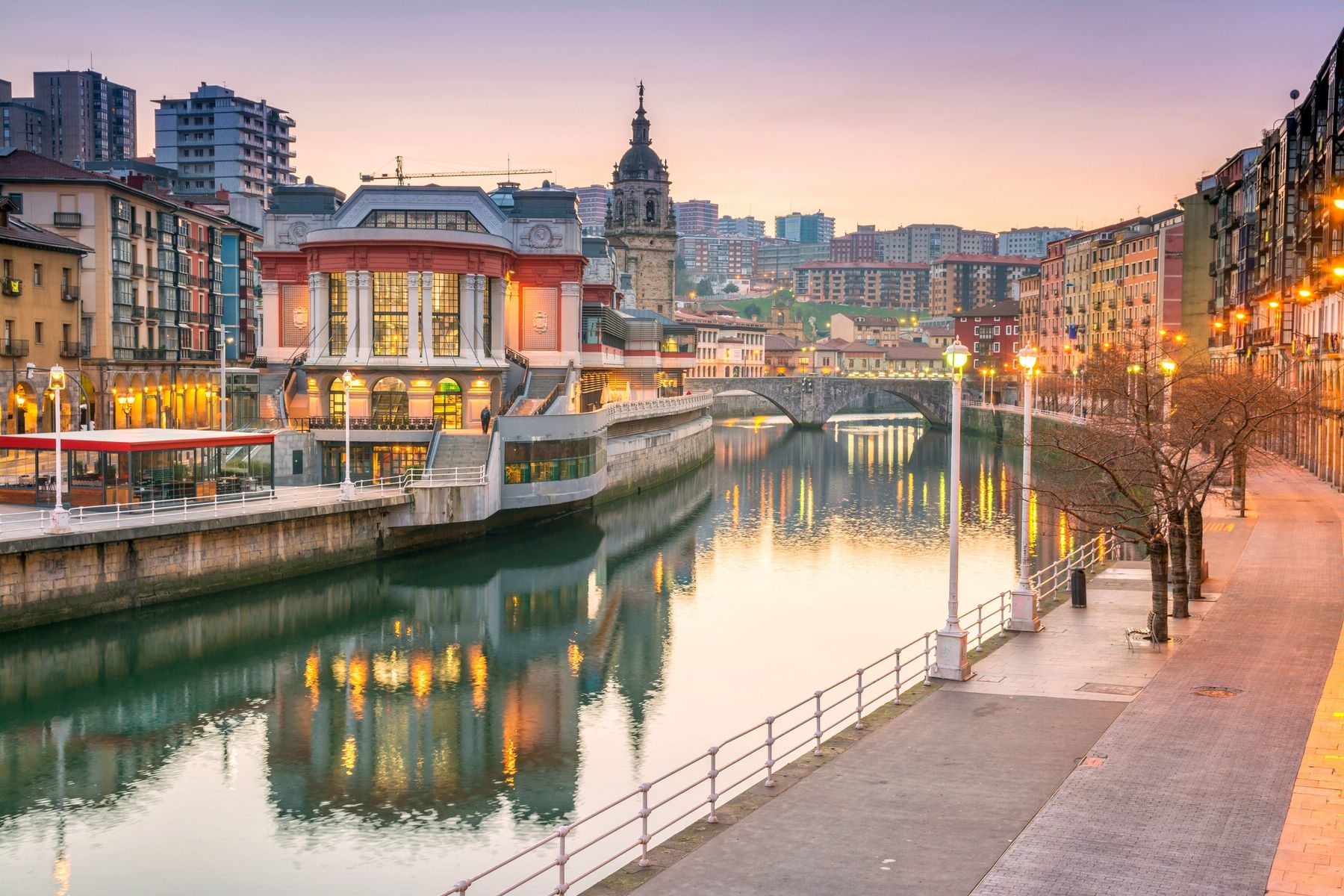
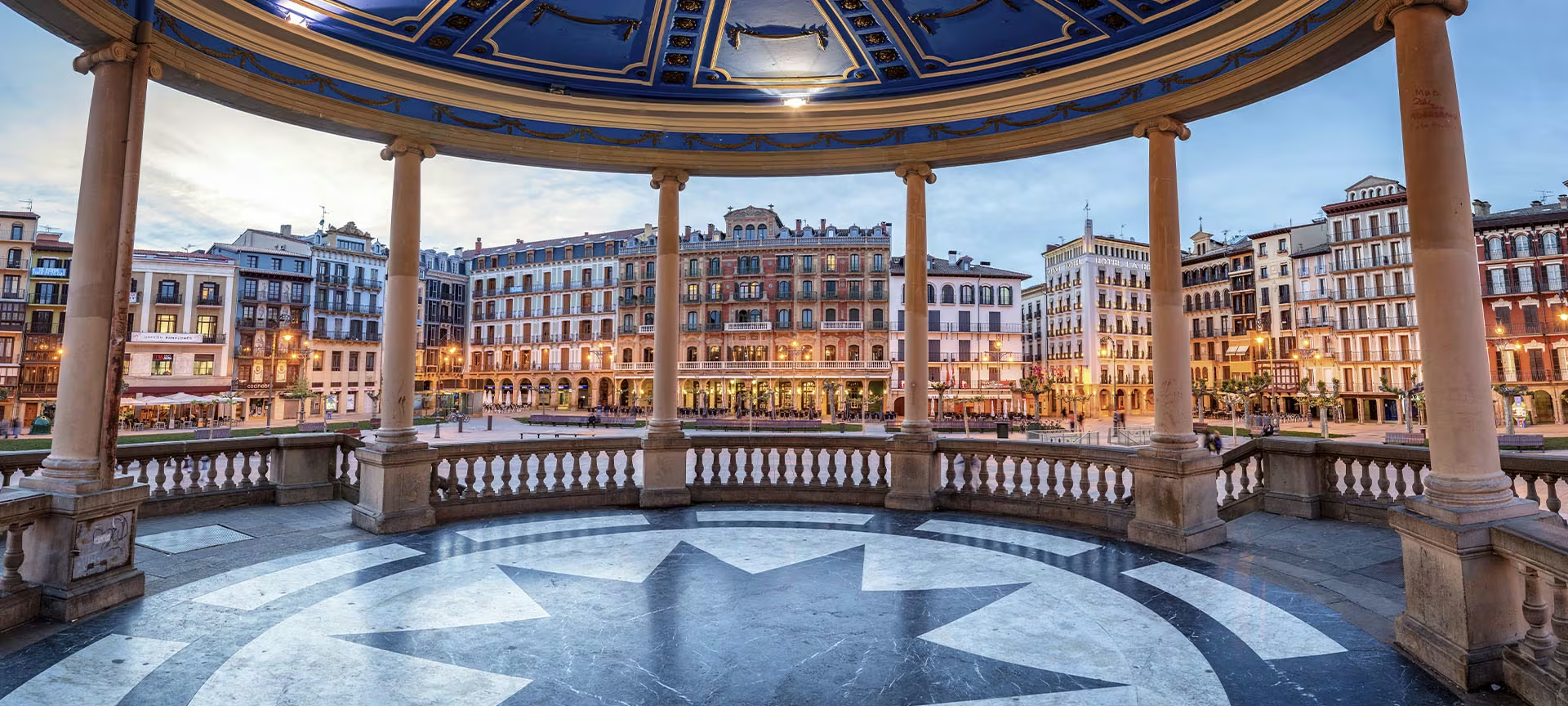

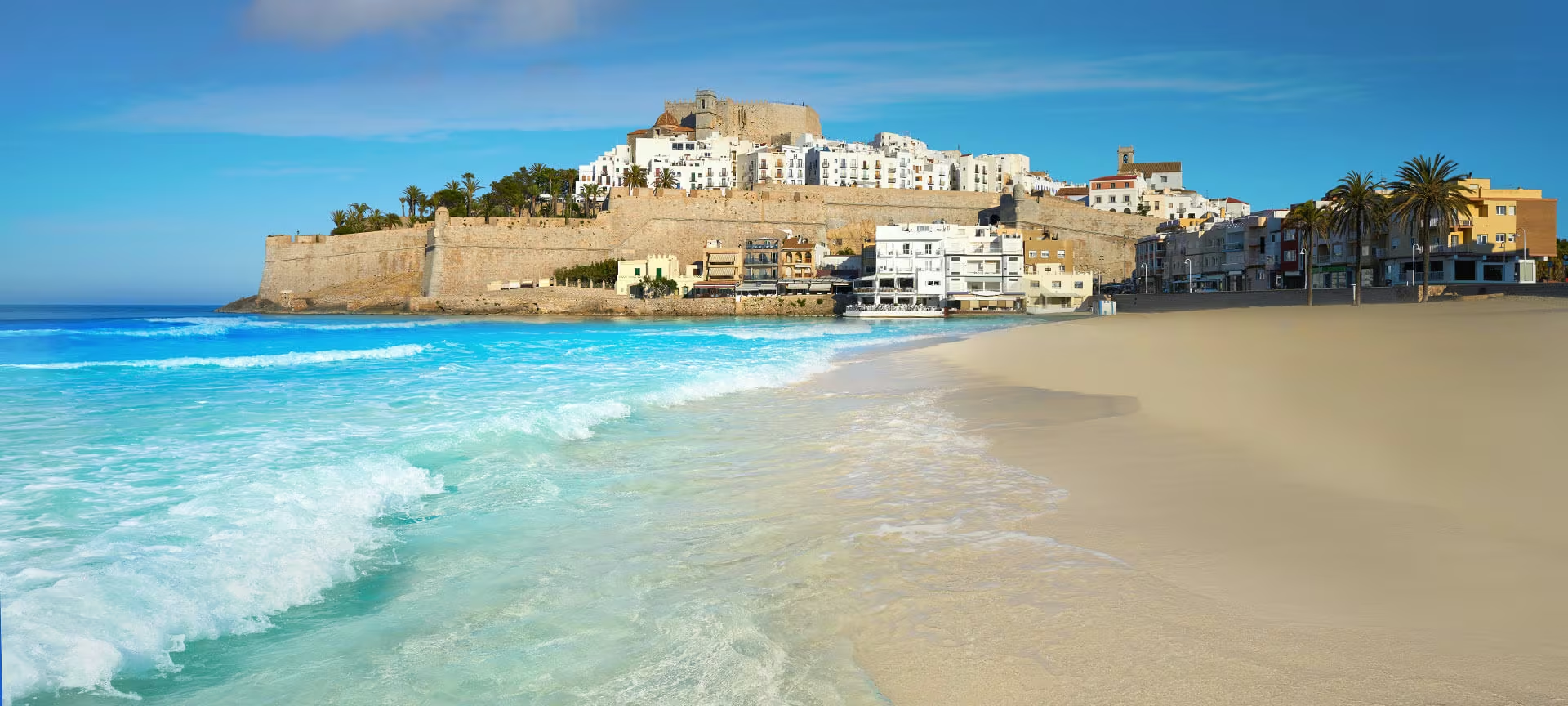


If you try to find a country with that name on the map, you won’t succeed. And yet, it is a very specific territory with its own history, culture, traditions, language, and even flag. Most of it is located in Spain, with a smaller part in France. The French Basque Country is located on the shores of the Bay of Biscay and in the foothills of the Pyrenees and consists of three provinces: Labourd, Lower Navarre, and Soule.
Thanks to the proximity of the ocean and mountains, this territory is characterized by a favorable climate: +6 – 9° C in winter and around 20° C in summer.
In ancient times, the Romans were unable to penetrate deep into the country due to the mountainous nature of the terrain, which allowed the Basques to preserve their language and national identity. The Basque language (euskara) is the oldest language in Europe, of the so-called ergative type, which differs in its grammar from Indo-European, Semitic, and Finno-Ugric languages. A similar grammar exists only in some Caucasian languages, such as Georgian.
White, red, and green are the colors of the Basque Country. Their flag is a red field crossed by green and white crosses. The traditional outfit of a Basque man includes a white shirt, a scarlet wide beret, and a neck scarf. Their pristine white houses with red tiled roofs and shutters painted red or green create a fairy-tale feeling. Imagine that this fairy tale is set among picturesque low mountains, from the slopes of which the most diverse and breathtaking views open up, and you will understand why even the French come to admire Basque villages, considering them more beautiful than others.
Basque villages differ from typical French villages not only in their special neatness but also in the presence of a fronton. A fronton is a large brick wall designed for throwing a ball against it. This is the Basque national game of pelota. The ball is hard, and you have to hit it with your hand in a special glove. No less popular than pelota is the bullfighting among the Basques.
If you visit a Basque village, be sure to visit a local restaurant: Basque cuisine differs from French cuisine. Moreover, this cuisine varies from village to village, each of which grows or bakes something special that it takes pride in. For example, in the town of Espelette, you will be treated to a fragrant pepper called “piment,” while in the locality of Rieux, delicious tender biscuits will be offered. The capital of the French Basque Country, the city of Bayonne, is famous for its hot chocolate.
And, of course, the Basque Country is famous for its resorts, such as Biarritz, Saint-Jean-de-Luz, and Hendaye, with their perfect beaches, picturesque coastal landscapes, and everything necessary for a full and unforgettable vacation.


