





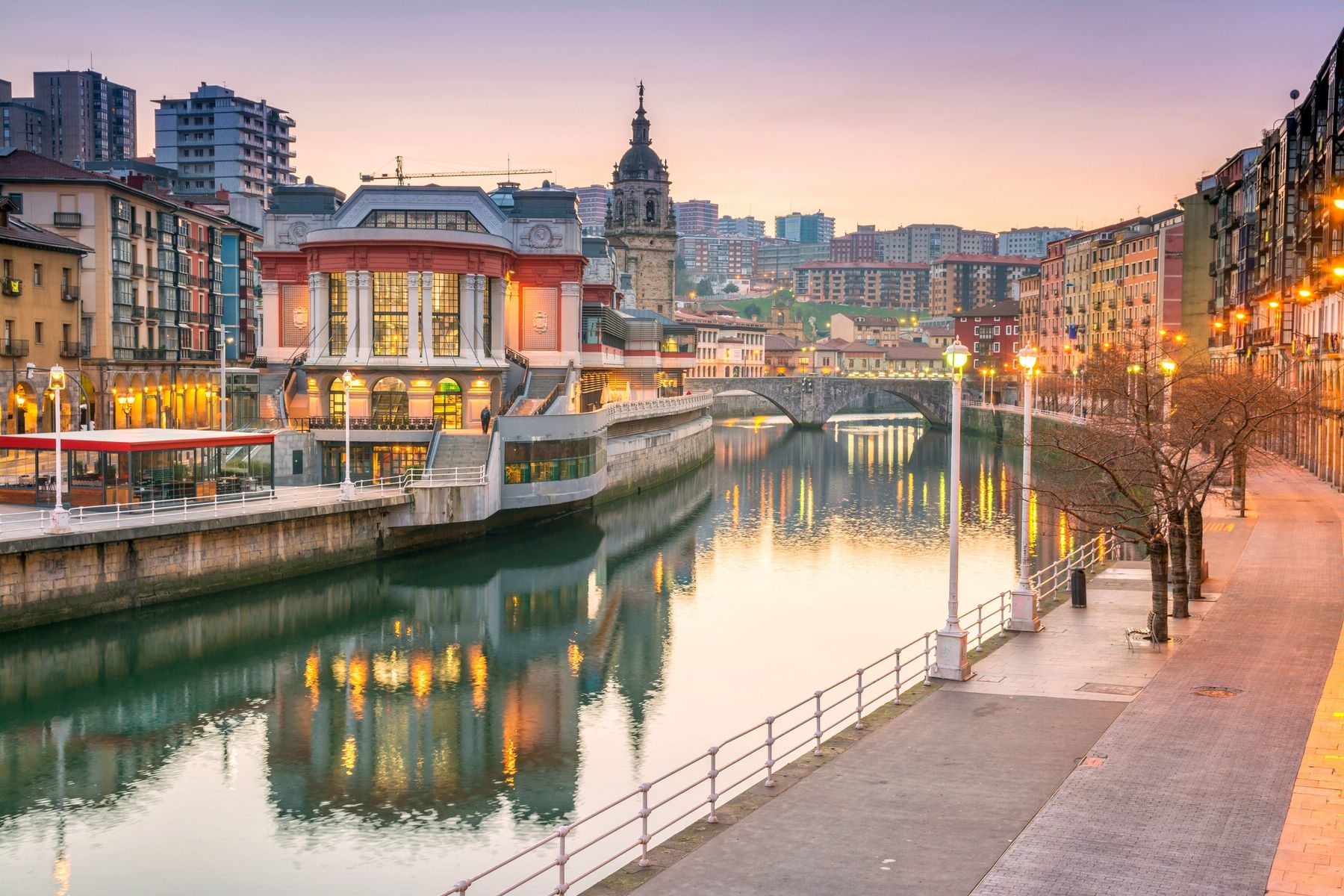



Annecy – a city where there is no bad mood, a city by the cleanest lake in Europe.
One view of this corner of France can fill travelers’ souls with pleasure and harmony, invigorate you if you are tired, or heal your stresses and depressions. The snow-capped peaks of the mountains are reflected in the mirror-like surface of the lake.
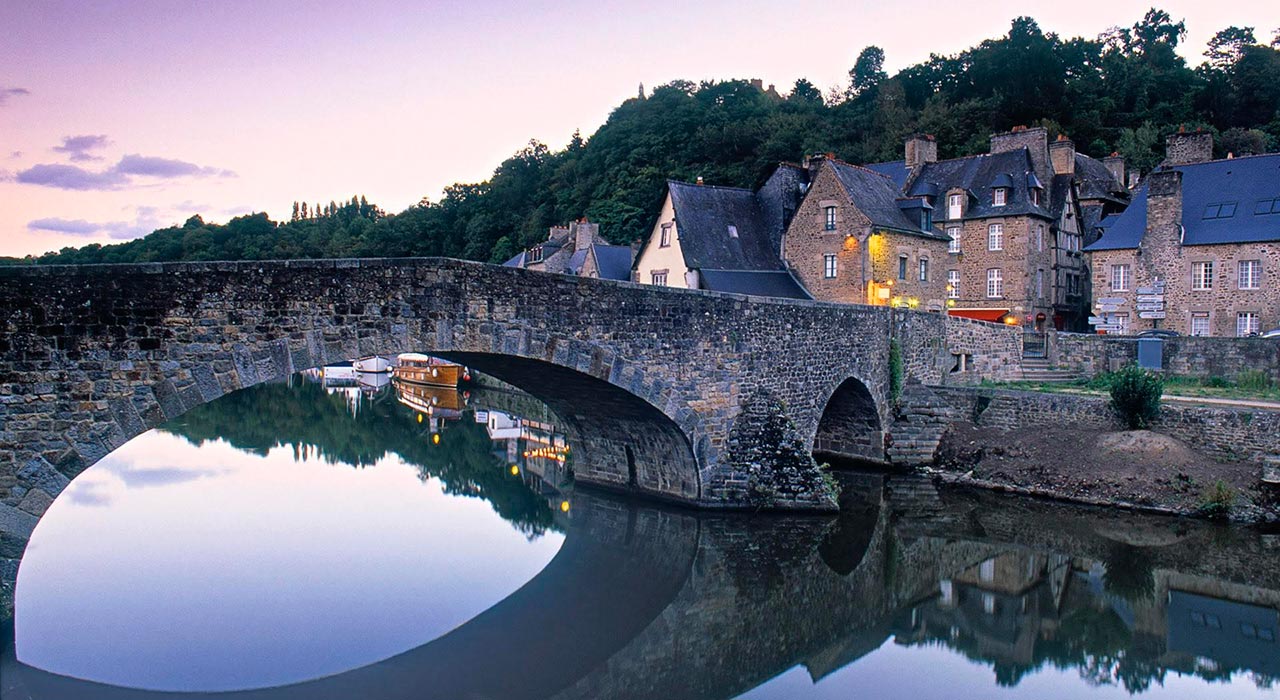
Opposite these Alpine ridges lies a medieval city with winding streets and romantic bridges over the waters of rivers and canals flowing throughout the city.
The castle on the hilltop looks enchanting, around which the city has grown. At the entrance from the walking paths along the lake, you are greeted by another – a castle-fortress, like a ship frozen in the middle of the river.
Not only the castle, but also the houses along the canals rise from the water without embankments or any other protective structures, which may be why Annecy is compared to Venice. The water comes close to the houses, reflecting their individuality on its blue-sky surface.
The architecture of the castles and houses intrigues, frightens, and attracts at the same time. What is their secret? Undoubtedly, when you lift the veil of history, you will discover it. And the history is not simple…
The large number of rich churches stands out.
In the 16th century, Catholicism experiences a crisis. A new religious movement – Protestantism – comes from the east. In the neighboring city of Geneva, the center of the Reformation was established – this period of division between the two branches of the church.
It is surprising that this new movement became the cause of more than a dozen religious wars throughout France, while in Annecy, the strengthening of Catholicism in the struggle against Protestants took on a constructive character, which explains the large number of churches and monasteries.
The small provincial town becomes a religious center surrounded by monastic buildings, church institutions, and schools, as well as new cathedrals and temples. Gothic is no longer in fashion, so they build in neo-Gothic style. Alpine Venice has plunged into holy waters. The old town was crowned with the domes of churches towering above the bastions of the fortress.
After several centuries, the revolution confiscates all church property in a few weeks, disbands monasteries, and destroys bell towers and temples. Solid monastic buildings, also confiscated by the state and sold to industrialists, will turn into factories.
And then it gets really scary and dreadful. Industrial progress polluted the lake so much that birds stopped coming. An ecological disaster was evident.
For the first time in the history of France, an alarm was declared and a call to save natural resources was made. All factories were closed. The lake was successfully cleaned in several stages, and a nature reserve was organized on the southern side. Now it is the cleanest lake in Europe, with protected natural areas, and the region, like its capital Annecy, earns almost exclusively from tourism. Fortunately, an irreparable disaster did not occur, and there is no bad without good. Today, land in Annecy is worth more than in Paris. Locals are always happy to see tourists, but they hold demonstrations against the Olympic Games, either fearing to lose their tranquility or because bitter experience keeps them from mass events.
In the count’s castle today is an observatory where you can get to know (even without knowledge of the language) the locals and their “art of living” (L’art de vivre). And in a quiet little harbor, hidden in a maple alley, a charming little bridge, like many other things, allows you to enjoy the beauty of the waters and the grandeur of this quiet corner in the mountains near the lake. This charm attracts romantics, who named it the Lovers’ Bridge.
Along the paths by the lake, pleasure boats are moored, waiting for lovers of water excursions; you can also rent a yacht or a boat for a solo adventure. For diving enthusiasts, there is a base for divers, and there is a beach where everything is simple and clean.
Chateau Montrottier – the castle of the Counts of Geneva.
Built during the 12th-15th centuries, the castle is located on the slope of a steep hill and towers over a huge chasm carved into the mountain by the turbulent river Fier.
Once, the castle controlled an important crossing, and its medieval towers rose ominously above the surrounding landscape. The last owner of the castle bequeathed it to the local community for preservation as a museum.
Today, the former fortress Montrottier houses a magnificent collection of weapons, faience, porcelain, glass, and Flemish tapestries. Near Montrottier Castle, ten kilometers west of Annecy, is the Gorges du Fier. In the gorge, bridges were hung as early as the 19th century, which tourists stroll across, admiring the swirling water below. The gorge is deep – up to thirty meters in places, and the bridges hang fifteen meters high.
You can enter the gorge, where the river flows, and observe how the initially flat river then plunges to the bottom of a huge karst fracture (its length is three hundred meters, and its depth is over seventy), and at the exit from the gorge, the river’s current creates a bizarre pile of giant stone blocks called the “Sea of Rocks.” On the surface of the surrounding walls, the play of light and shadow awakens the imagination.
As an alternative to the castle and gorge, there is a sports offer for lovers of water pleasures – the town of Sévrier on the western shore of Lake Annecy – a city of water sports and sailing champions and championships. Hair in the wind, the dazzling beauty of the landscape around… A professional will take you on a sailboat, revealing the most interesting corners of the alpine lake. During the journey, you will be able to learn how to manage the sail or at least appreciate this sport not just as an observer. A few balance tests on the boat and several maneuvers under the guidance of a coach. And the result? Relaxation and enjoyment to the splash of water in the rhythm of the wandering wind.
The Castle of Saint Bernard Menton-Saint-Bernard is eight kilometers from Annecy, on the eastern shore of Lake Annecy, fortified and repeatedly rebuilt. Its majestic appearance is noticeable from afar. Here, travelers from Geneva to Italy found shelter and protection.
This ancient dwelling, where a famous Savoy family still lives today. The current owner of the castle, Count Manton, keeps the family’s history, knowing by name about 50 generations, although throughout the known history of the family, there are many more. The rich and powerful Manton family, which translates from Celtic as “on the rock,” has owned the territory from this very site to Geneva since the 12th century. It was then that the construction of the castle began with a huge tower and living quarters for the lords. Unaffected by either religious wars or revolutionary destruction, the buildings stood for several centuries, slowly changing their appearance, transitioning from a fortress structure to a more elegant Savoy castle.
The delicate combination of the landscape artist’s and architect’s imagination created a unique place where various handcrafted works occupy a worthy place in this exquisite garden.


