

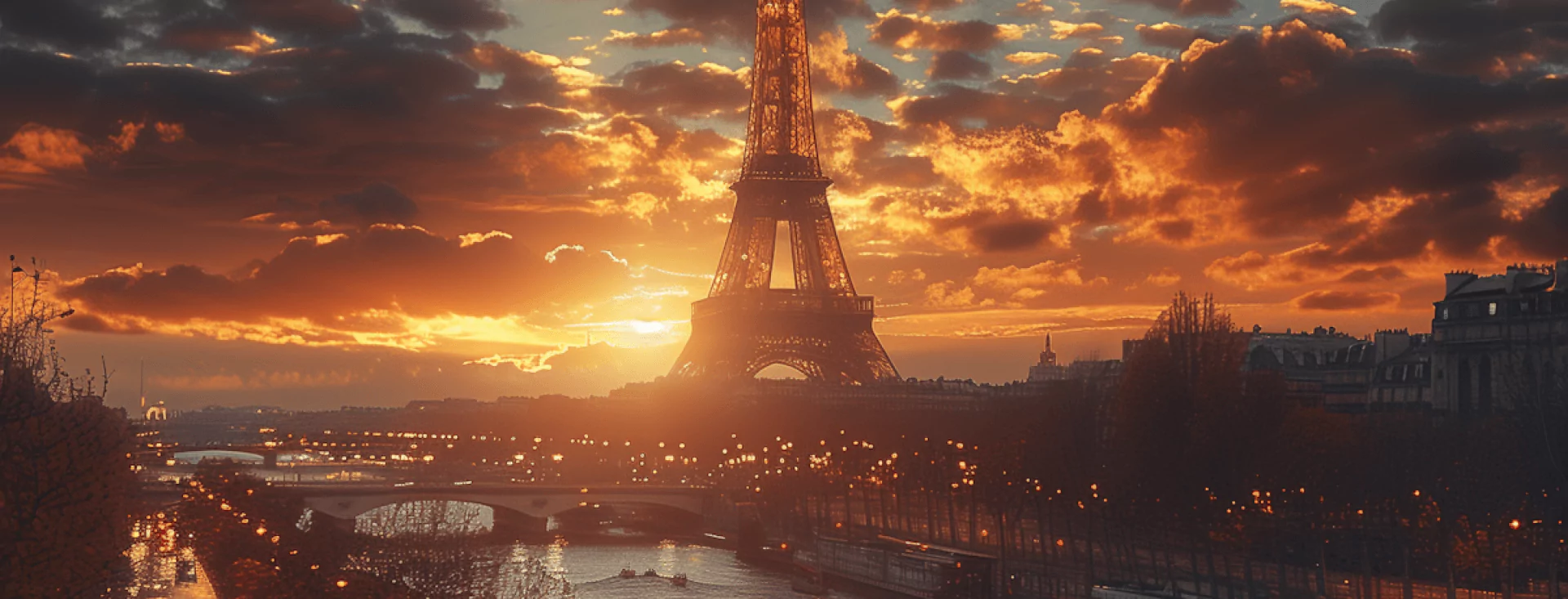


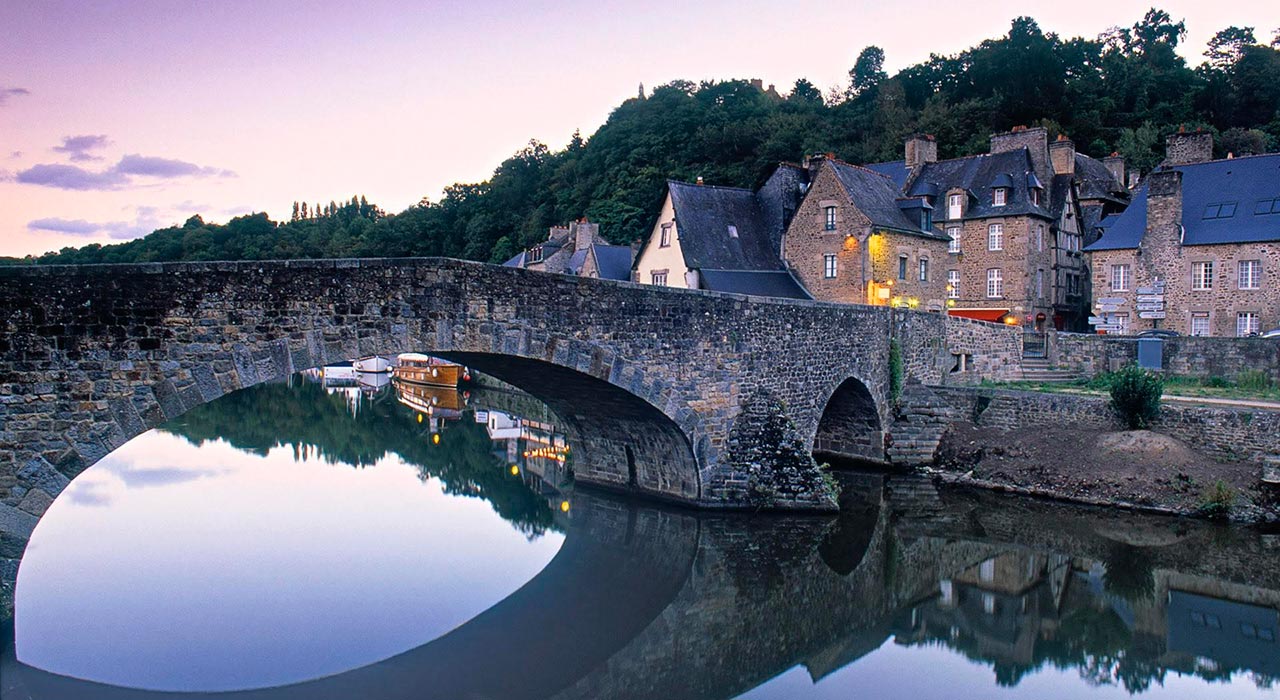

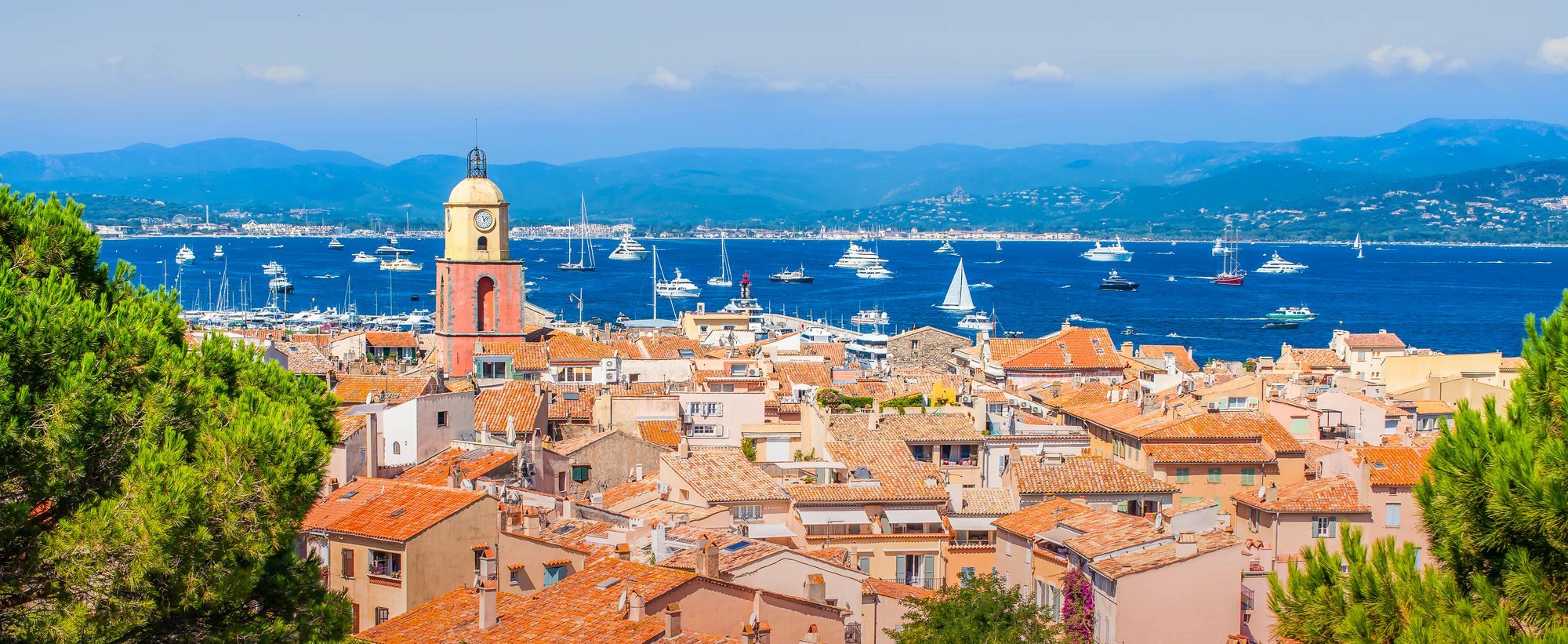

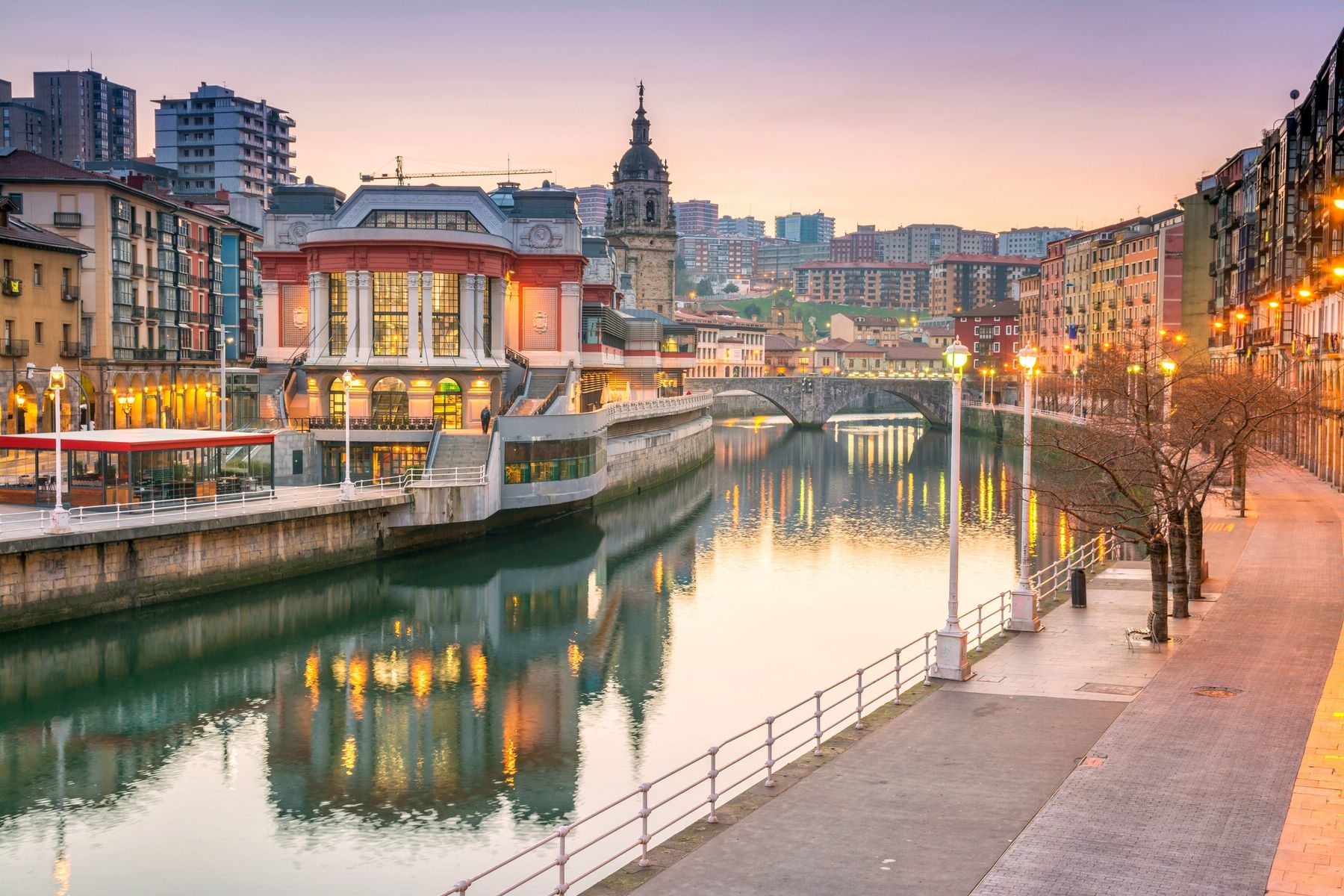
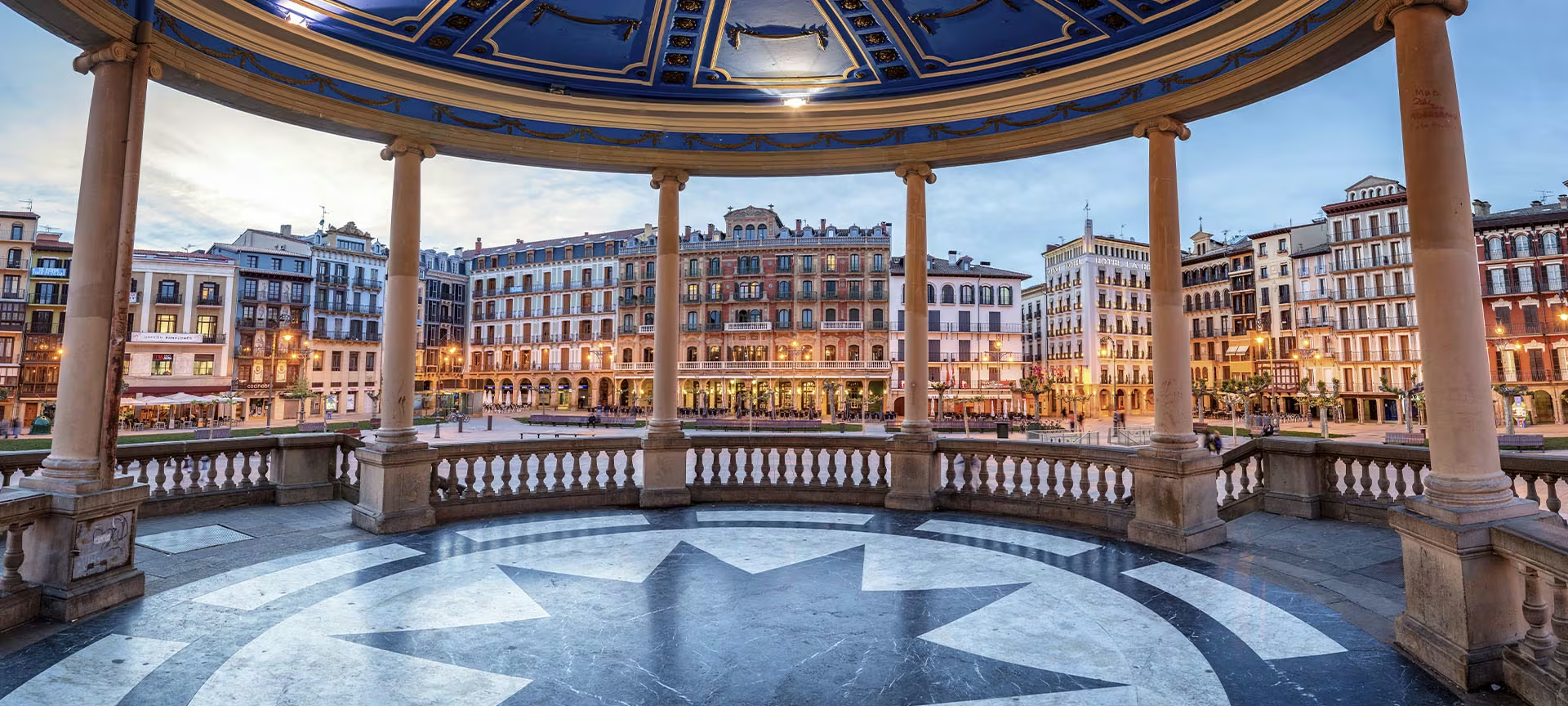

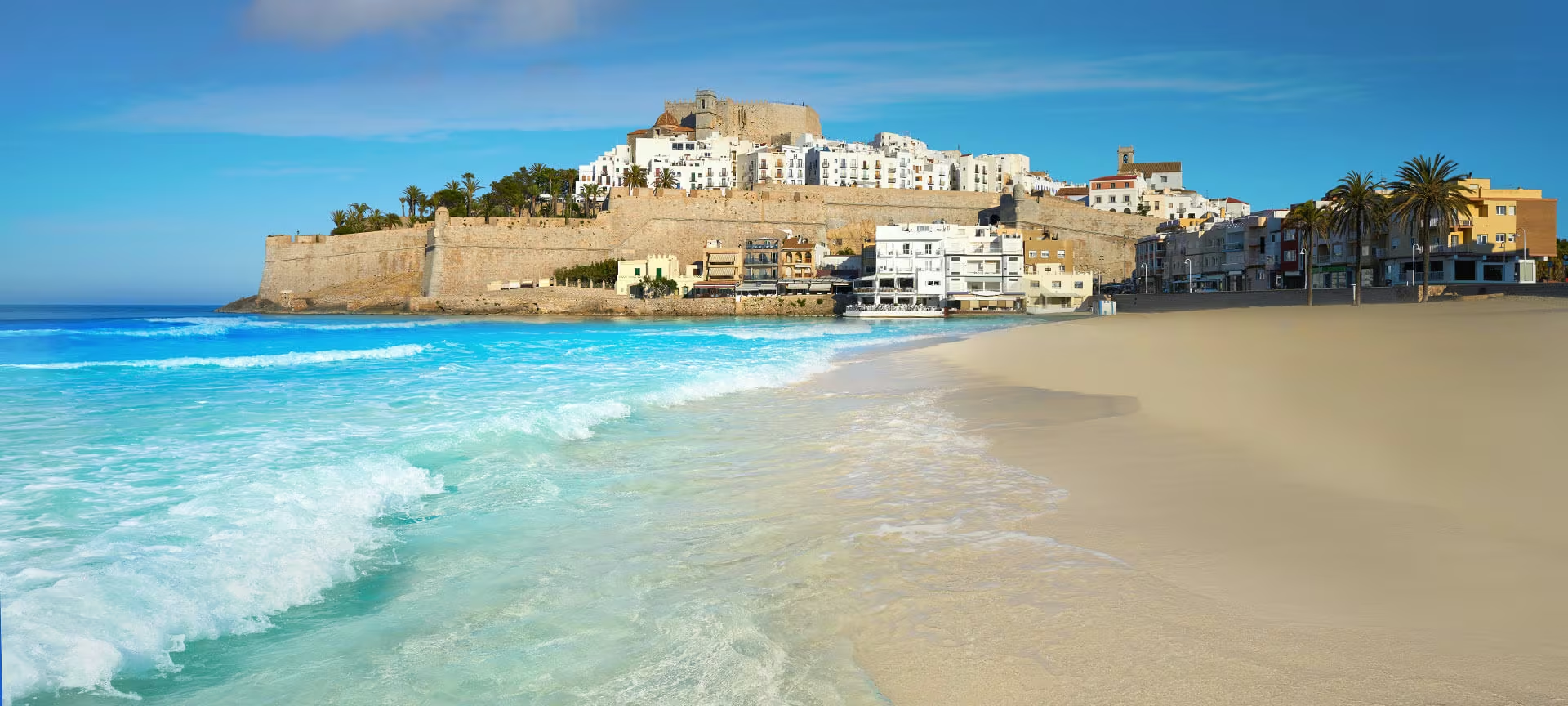


Brittany (Bretagne)… Rocky shores covered with heather, trembling under the pressure of ocean waves; a wind saturated with iodine, salt, and the spicy scent of herbs – this is Brittany. Golden kilometers-long beaches washed by purple waters – this is also Brittany, the most aristocratic French resort. A modern wonder. Not high-rise – here, castles are at every turn, medieval houses with roofs that widen, and streets that are seven hundred years old. But these are not decorations or reserves – this is normal life. It is no wonder they say: “When you come to Brittany, you embark on a journey through time and enter the 18th century.” And this is Brittany.
This is thalassotherapy, inseparable from Brittany, like the ocean that washes it. It is from this region that the fashion for marine treatments, which have such a beneficial effect on the body, spread throughout France and Europe more than a century ago. Here you will instantly forget about stress, fatigue, polluted air, and the unbearable rhythm of big cities.
Brittany is the westernmost region of France. Four-fifths of its perimeter are washed by the English Channel (la Manche – sleeve) to the north, and the Atlantic Ocean to the south. The length of the coastline is 3000 kilometers. So it is clear why in ancient times Brittany was called Armor (Armor) or Armorica (lat. Armorica – “land by the sea”).
The entire coastline of Brittany is extraordinarily picturesque and very diverse. Huge cliffs, boundless expanses, dunes, piles of boulders, lonely lighthouses, waves, and wind, as well as luxurious sandy beaches, calm waters, a scattering of small green islands, charming fishing villages, port towns with fortresses, harbors with yachts, oyster farms, seaside restaurants in blue and white, ancient castles, aristocratic resort towns with casinos and vibrant nightlife. Everyone can find a place to their taste.
Resting in Brittany is beneficial and beautiful at any time of the year, including autumn and winter. Brittany is a favorite vacation spot for the English and Parisians, who say: “Once you go to Brittany, you stop regretting Paris.”
The main event on the coast is the tides. Every 6 hours, the marine and coastal landscape changes beyond recognition. The amplitude reaches up to 14 meters! People go for walks on the wet sand, as if on a boulevard. Many have shovels and buckets for collecting mussels, oysters, and crabs. Of course, they can be bought at the market or supermarket, but it is much more pleasant and interesting to gather the gifts of the sea yourself for dinner. There are many farms along the coast that cultivate mussels and oysters, which are grown on high poles wrapped in nets, but everything that has fallen to the ground can be picked up. In an hour, you can collect up to 5 kilograms of mussels – that’s dinner for 10 people!
But Brittany is not only the “land of the sea”; it is also the “land of the forest.” The forests begin 20 kilometers from the coastline – oak, pine, and maple. There is plenty of space for mushroom pickers, as the French themselves do not collect mushrooms but prefer to buy them in stores. In France, there is a free service: you can go to any pharmacy, and the pharmacist will sort your mushrooms into edible and inedible and tell you how to best prepare them.
There is a perception of Brittany as a rainy country. This is incorrect. The climate here is mild, oceanic, without large temperature fluctuations. There is almost no snow in winter; flowers bloom all winter long. In summer, there is no exhausting heat. The extraordinarily clean, iodine-rich air and seawater, combined with the mild climate, have a beneficial effect on the health of not only the elderly and children but also everyone who needs peace of mind after the stresses of urban life.
The Bretons cherish the old with the jealousy of collectors. They catalog and include in “red books” castles, simple houses, and natural beauties. Bretons have long and deeply fallen in love with their land. It is known, for example, that Anne of Brittany (the last duchess of independent Brittany and queen of France) is buried in Paris, but her heart rests separately – in Nantes, in Brittany.
Brittany is a great supporter of traditions – both religious and cultural. They are still very relevant here, and it is said that just thirty or forty years ago, many Breton settlements lived a patriarchal and closed life. Families had 7-10 children, and traditional pancakes (be sure to try them – they are served in every little restaurant) were cooked over the fire of a huge open hearth.
The peculiar character of the Bretons is explained by the fact that they are the only people on the European continent with distinctly Celtic roots. Many still speak the Breton (Celtic in its essence) language here. Endless Celtic legends and beliefs are alive here. And in the very heart of Brittany, a section of the fairy-tale Brocéliande forest has been preserved, where, it is said, the Knights of the Round Table gathered, where the wizard Merlin and the fairy Viviane once settled. Interested tourists will be shown the “fairy mirror” – a deep peat pond where fairies combed their hair in the mornings – and the sacred oak of the druids. Once, all of Brittany was covered with forests, and wizards, elves, and druids had plenty of room here.
In Brittany, the search for the Holy Grail took place, King Arthur, knight Lancelot, wizard Merlin, fairies Morgan and Viviane, and Duke Bluebeard lived here, and Tristan and Isolde loved and suffered.
All the castles of Brittany are open to tourists. They operate either as hotels or as museums. Castle-hotels and mansion-hotels are scattered everywhere – in cities, in the midst of forests and fields, and, of course, right by the ocean. Since Brittany juts out into the Atlantic as a peninsula, from any point, you can reach the coast, the big water, in a maximum of an hour and a half of easy travel.
On the peninsula, there are 1300 roads laid along the seashore. These pedestrian paths, suitable for walks, stretch almost along the entire coast, from the bay of Mont-Saint-Michel to Saint-Nazaire. The so-called “customs path” was laid after the French Revolution by the customs administration to monitor the coast and combat smuggling and the looting of shipwrecked vessels. The shores of Brittany, with their uneven terrain and great length, were a favorite place for the illegal unloading of various goods. In the early 20th century, hundreds of customs officers patrolled the coast day and night in any weather, trying to intercept smuggled goods. Currently, the customs paths have been preserved and equipped for walking.


